
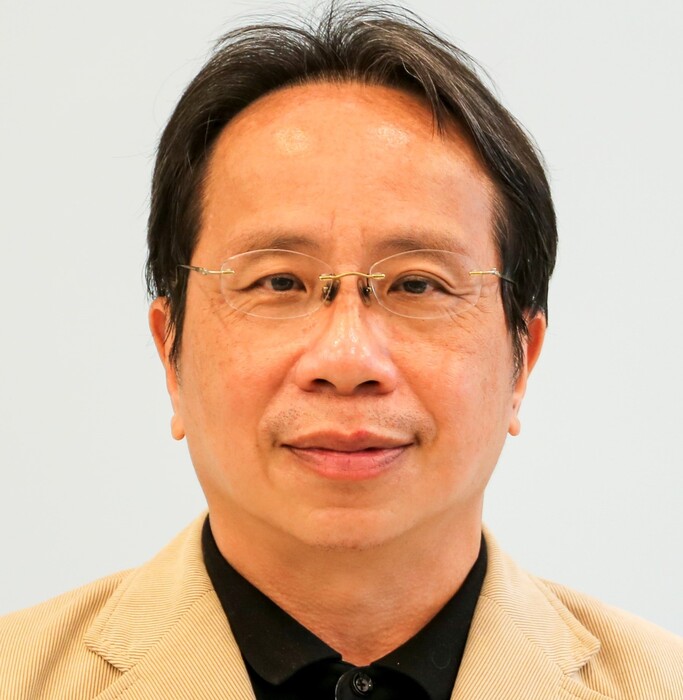
Prof. Wu-Yuin Hwang
Distinguished Professor, National Central University · Dean, Faculty of Science and Engineering, National Dong Hwa University, Taiwan
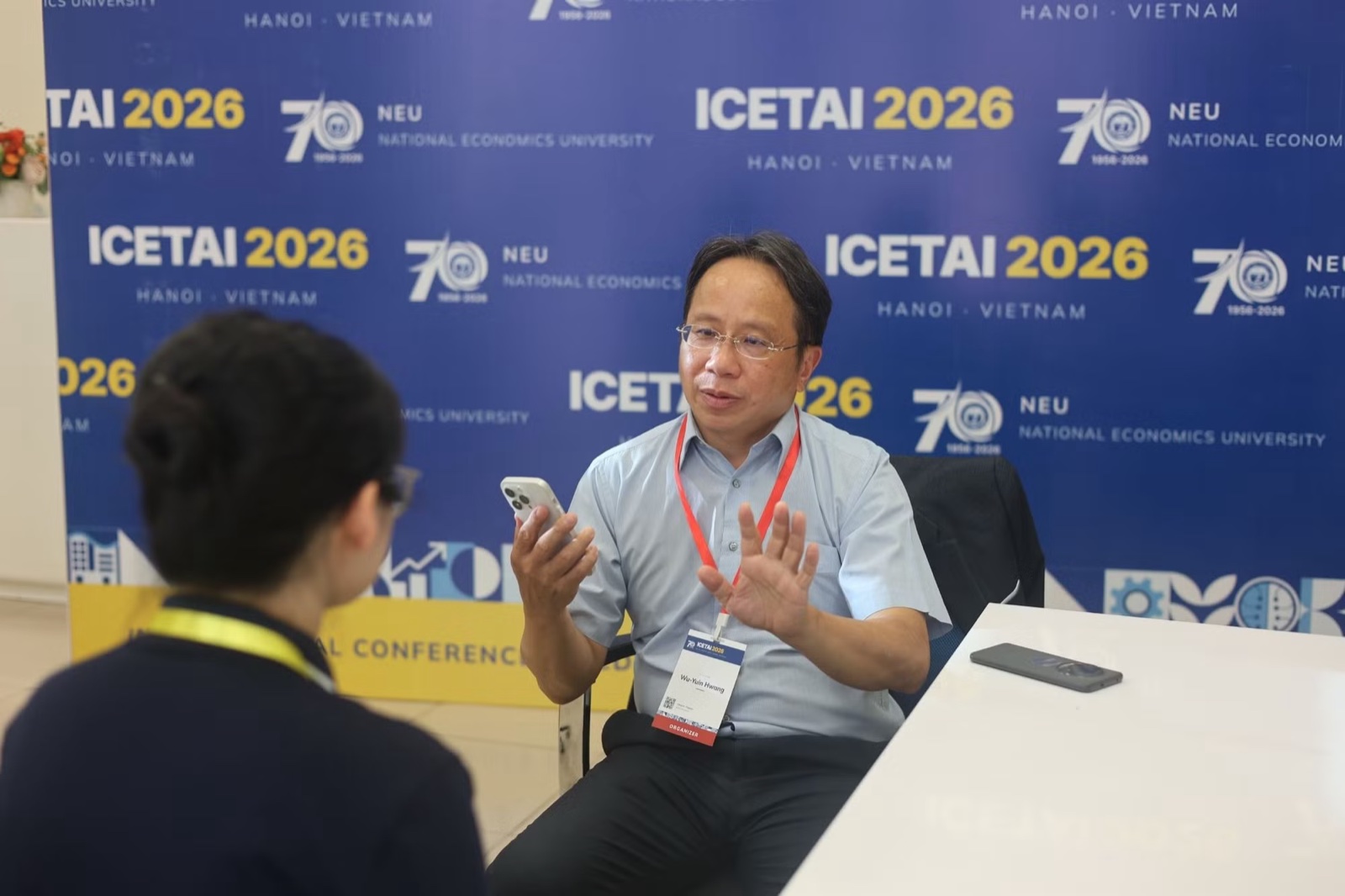
AI is changing the role of the university teacher, the routes by which students reach knowledge, and the shape of the educational space itself. Speaking to Vietnamese education outlet Giao Duc Viet Nam after ICETAI 2026, Prof. Wu-Yuin Hwang — one of the conference's two keynote speakers — argued that universities have to move from traditional instruction toward developing higher-order cognition, and toward building what he calls an "AI Campus."
A change of teaching attitude
Prof. Hwang describes the development of generative AI in three stages — smart tools, learning partners, and cognitive clones — the framework he presented in his ICETAI keynote. What follows from it, he says, is a change in how teachers position themselves. "Lecturers need to change their teaching attitude," he said. "The traditional method, which imposes a kind of 'I am the teacher, you must listen to me,' is no longer appropriate."
Students now reach knowledge through many channels at once: AI, the internet, books, online courses. The important question is no longer where they learn from, but whether they genuinely understand the problem rather than simply memorizing content. On that reading, the teacher's most important task today is to help students develop higher-order cognition — and a teacher who does not is replaceable. "If lecturers keep to the traditional read-and-copy approach, transmitting knowledge in one direction, they will certainly be replaced by AI," he said.
AI tools inside the curriculum
From his own practice in Taiwan, Prof. Hwang is building a curriculum tightly integrated with AI, encouraging students to use platforms such as Google NotebookLM. The system can act as a teaching assistant: students ask questions and find answers from a curated database without having to put every question to the lecturer directly.
Supplying a tool that answers questions is only the first step, he stresses; the higher goal remains developing students' higher-order thinking. For his graduate classes he has loaded his own model of research cognition into NotebookLM alongside the course materials, so that students can look past the knowledge itself and into the strategic reasoning behind it.
The "AI Campus"
Asked what conditions universities should prioritize in order to apply AI effectively, Prof. Hwang argued that AI should not be confined to teaching and learning but integrated across the institution. Universities in Taiwan, he said, are advancing an "AI Campus" model involving three groups:
- Lecturers. The institution needs to support professional development, helping teachers integrate AI effectively into curriculum design and the organization of learning activities.
- Administrative staff. AI can handle management work, student support, looking up regulations, preparing meeting materials, and drafting reports.
- Students. They need to be granted access to AI tools on campus for their studies.
"The core objective of this process is to build students' capacity to use AI," Prof. Hwang said.
Adapted and translated from the Vietnamese-language interview by Doan Nhan, published by Giao Duc Viet Nam on September 1, 2026.
Read the original article on Giao Duc Viet Nam