
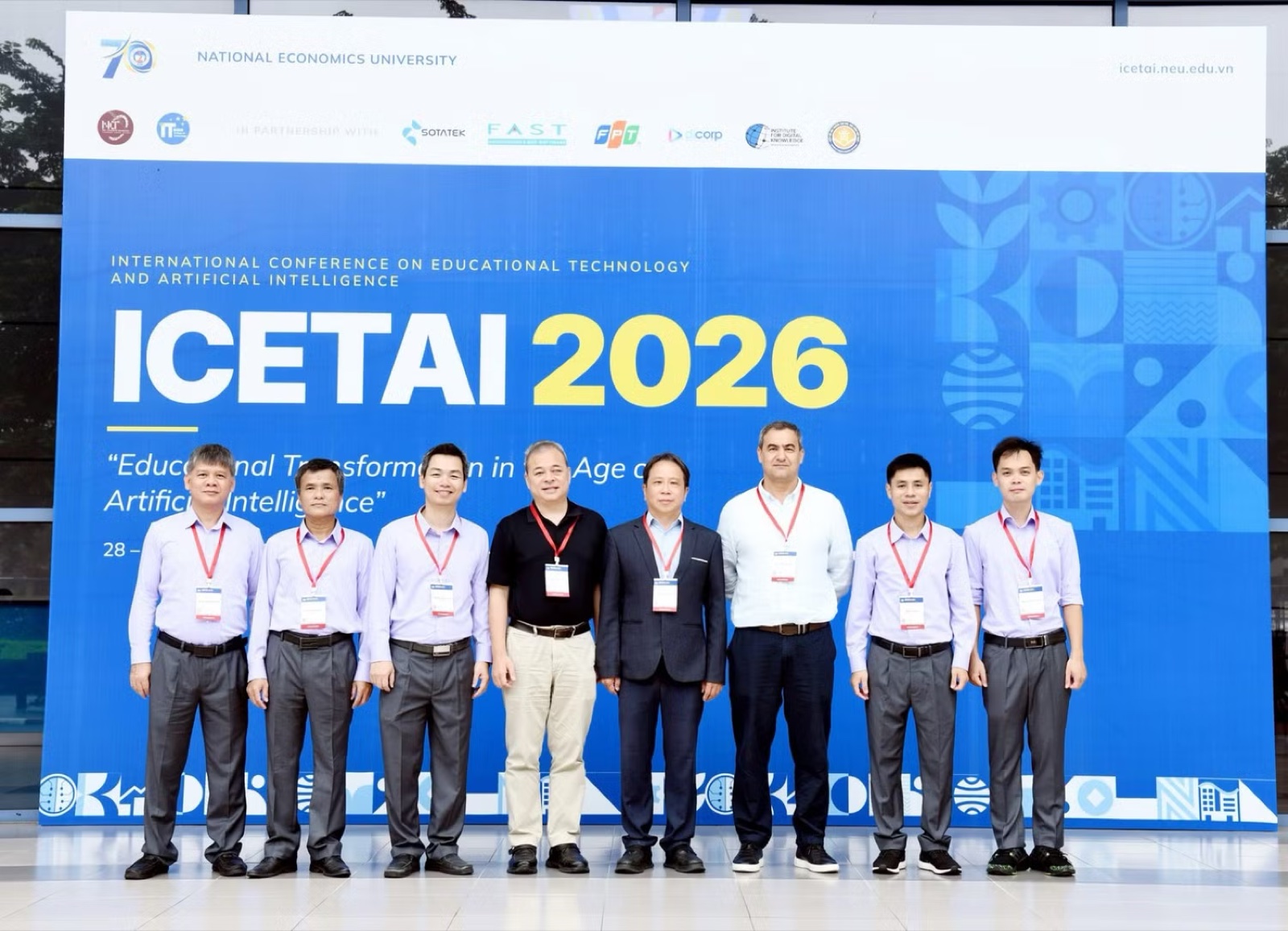
For Dr Pham Xuan Lam, Dean of the Faculty of Information Technology at the School of Technology, National Economics University, the shift to AI is no longer a purely academic question — it is something happening in classrooms every day. Speaking to Vietnamese education outlet Giao Duc Viet Nam after ICETAI 2026, he set out how the school intends to move from experiment to practice.
Only what has been verified
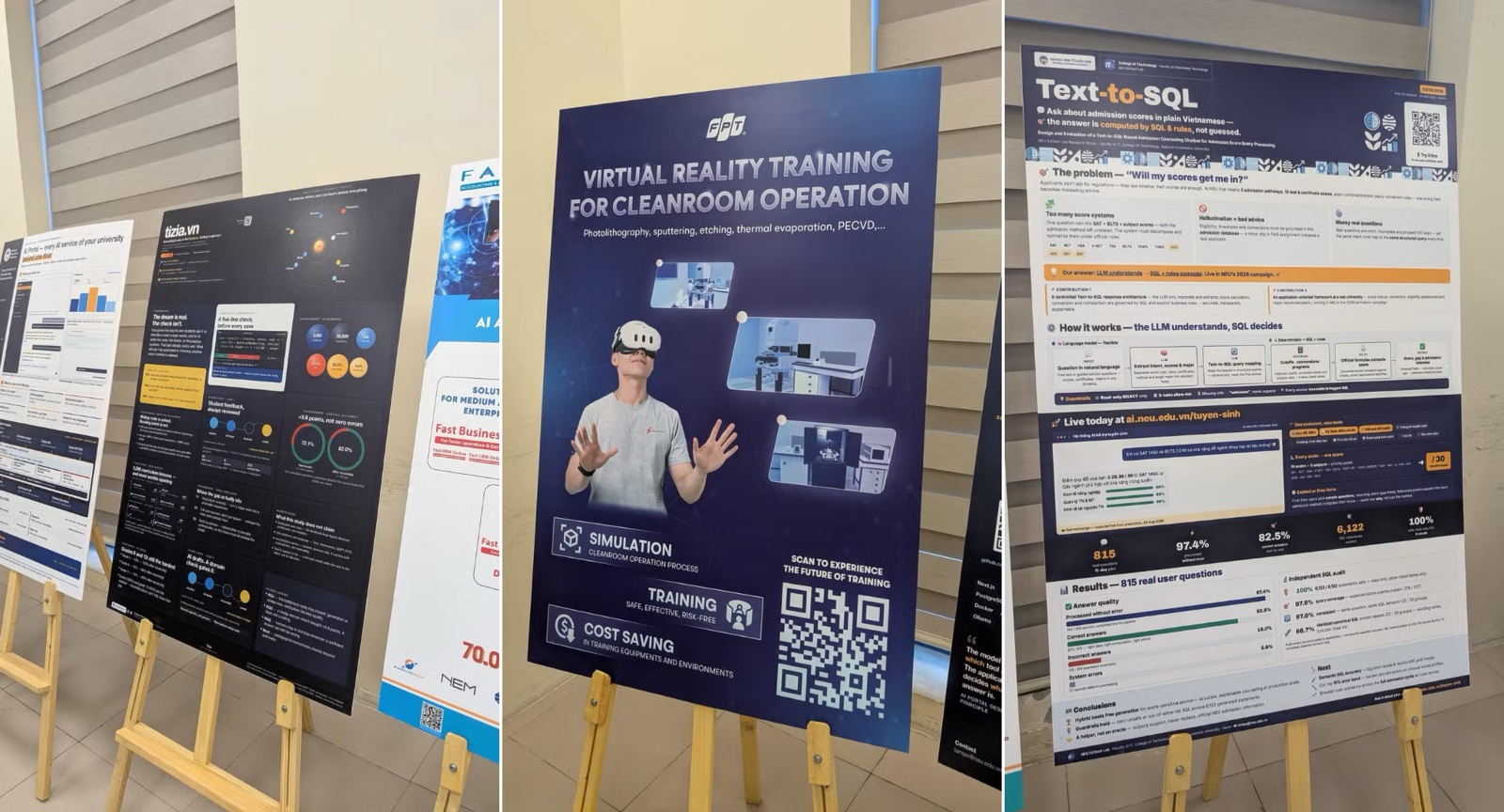
Most of the AI-based EdTech products shown at ICETAI 2026 are still at the stage of internal pilots and have not been independently evaluated. The School of Technology plans to move a number of them from pilot into formal deployment for students across the university — on the principle that a product ships only once it has been verified.
Start with the systems you already have
"Universities need to take the initiative in bringing AI into their existing systems, rather than waiting for a finished product before they start applying it," Dr Lam said.
Concretely, institutions can:
- automate operational processes that are still handled manually;
- add virtual assistants to advise and answer questions for students;
- draw on learning data to build modules that forecast outcomes and recommend study paths matched to each individual's ability.
The design principle throughout, he said, is that AI should augment the capacity of both learner and teacher — reducing repetitive work for lecturers so that more of their time goes to the work that requires professional judgement.
Incentives decide whether good ideas spread
The point Dr Lam emphasized most is the need for incentive mechanisms, so that lecturers take the initiative in applying AI to teaching, learning and assessment. Universities need concrete recognition policies — counting AI adoption among performance criteria, converting the effort into teaching-hour credit, and setting up funds to support AI teaching initiatives.
"Without incentive and recognition mechanisms to match," he said, "effective solutions will struggle to spread beyond a handful of research groups."
Adapted and translated from the Vietnamese-language interview by Doan Nhan, published by Giao Duc Viet Nam on September 1, 2026.
Read the original article on Giao Duc Viet Nam