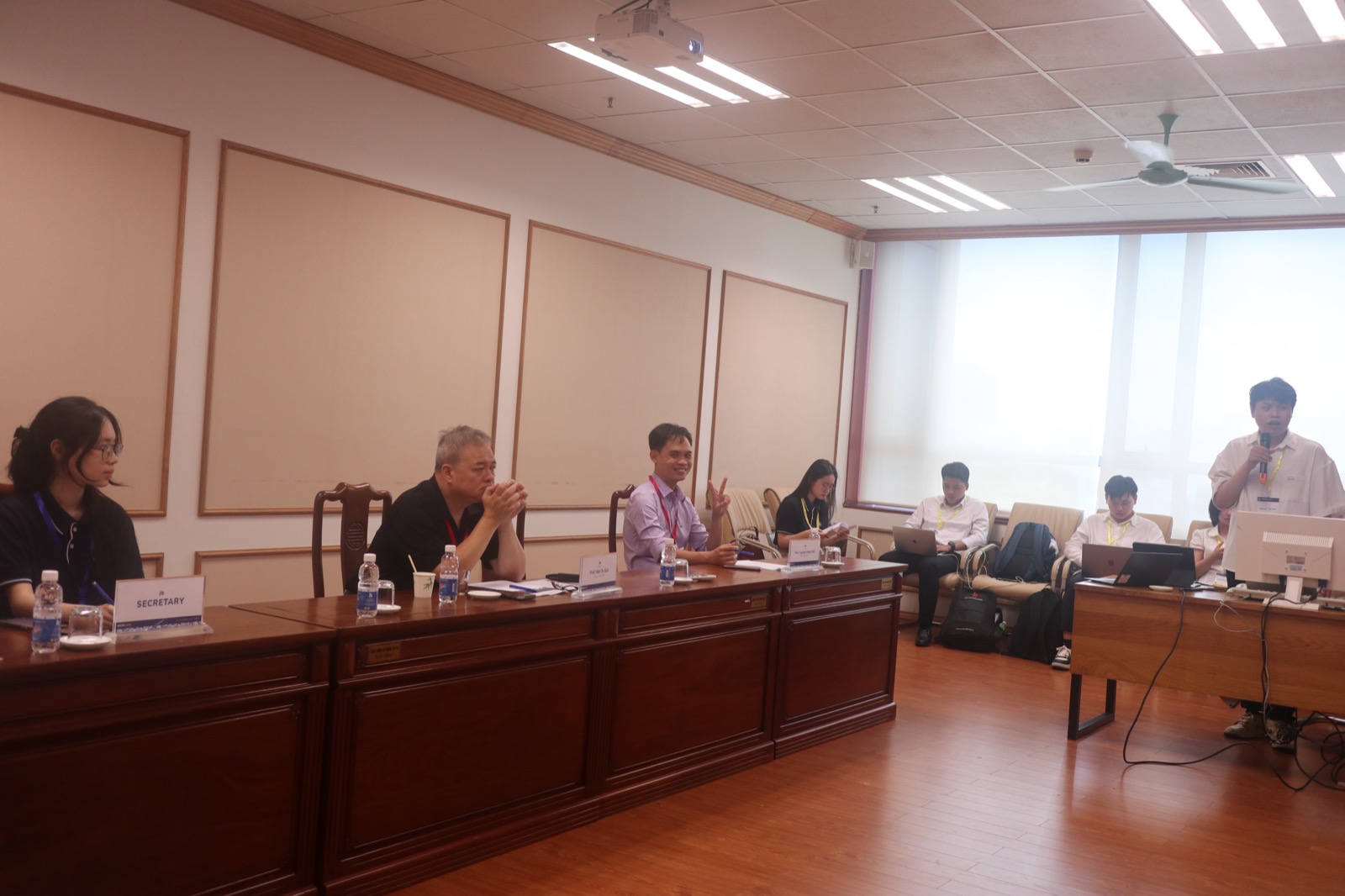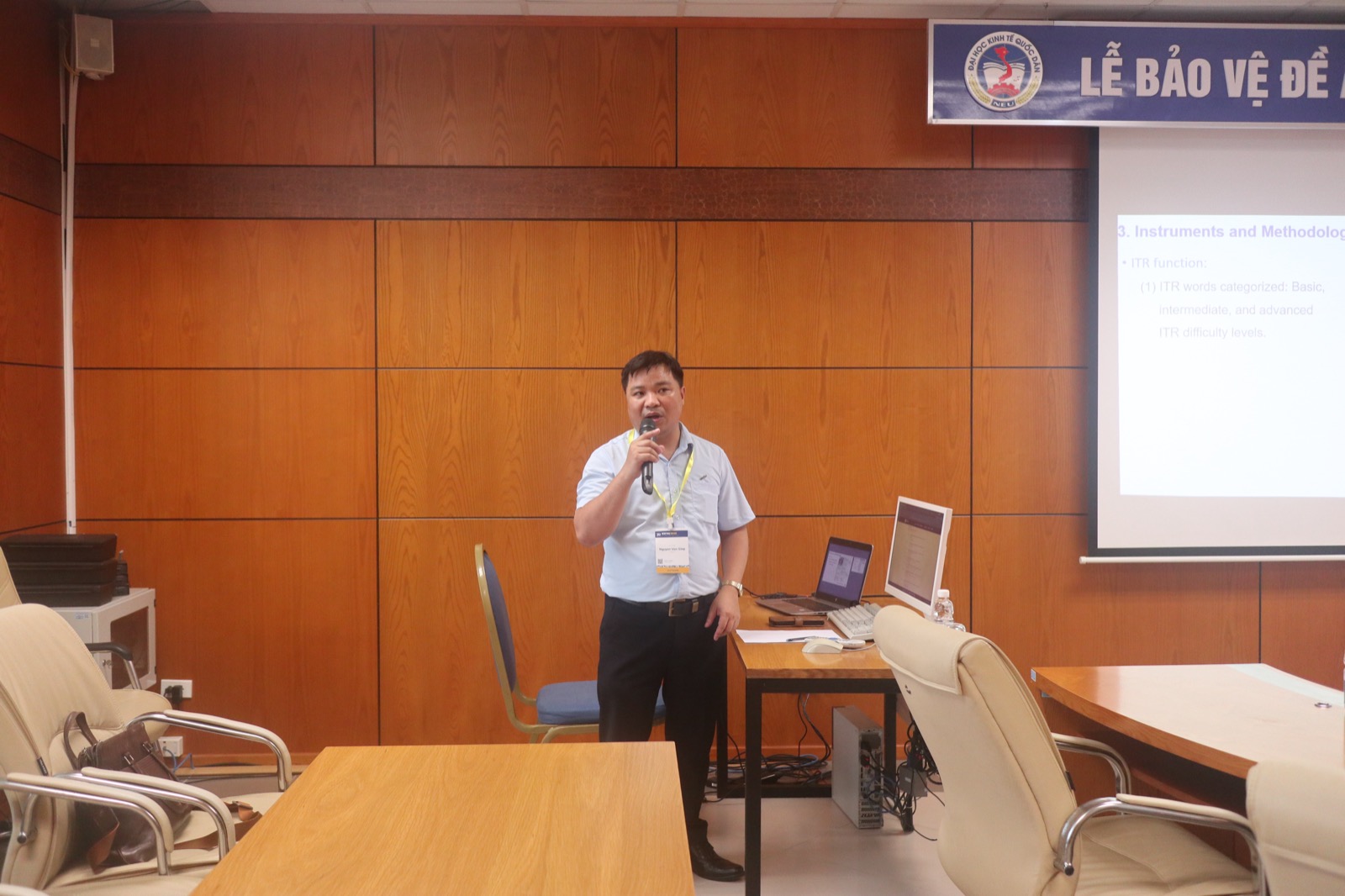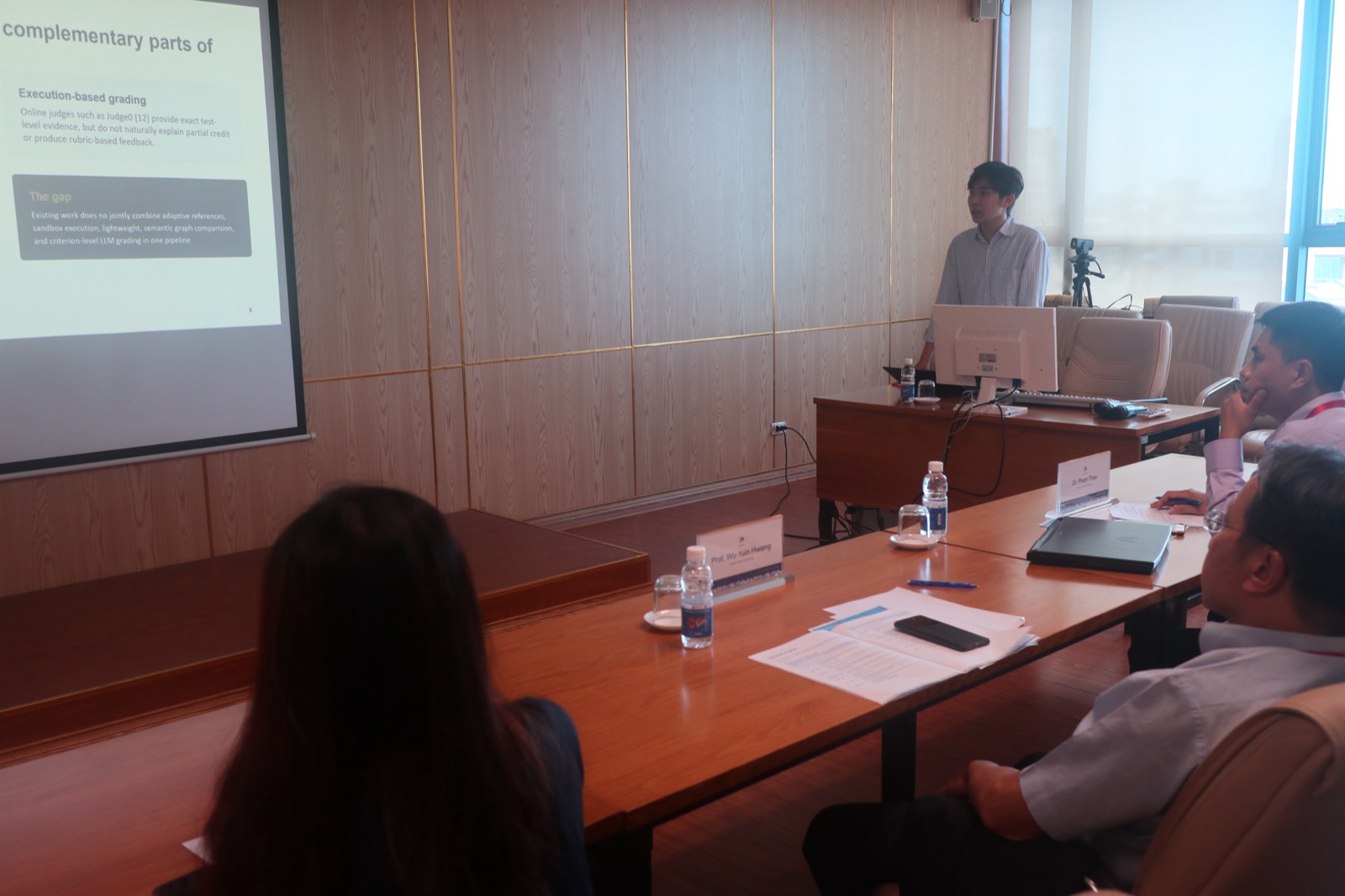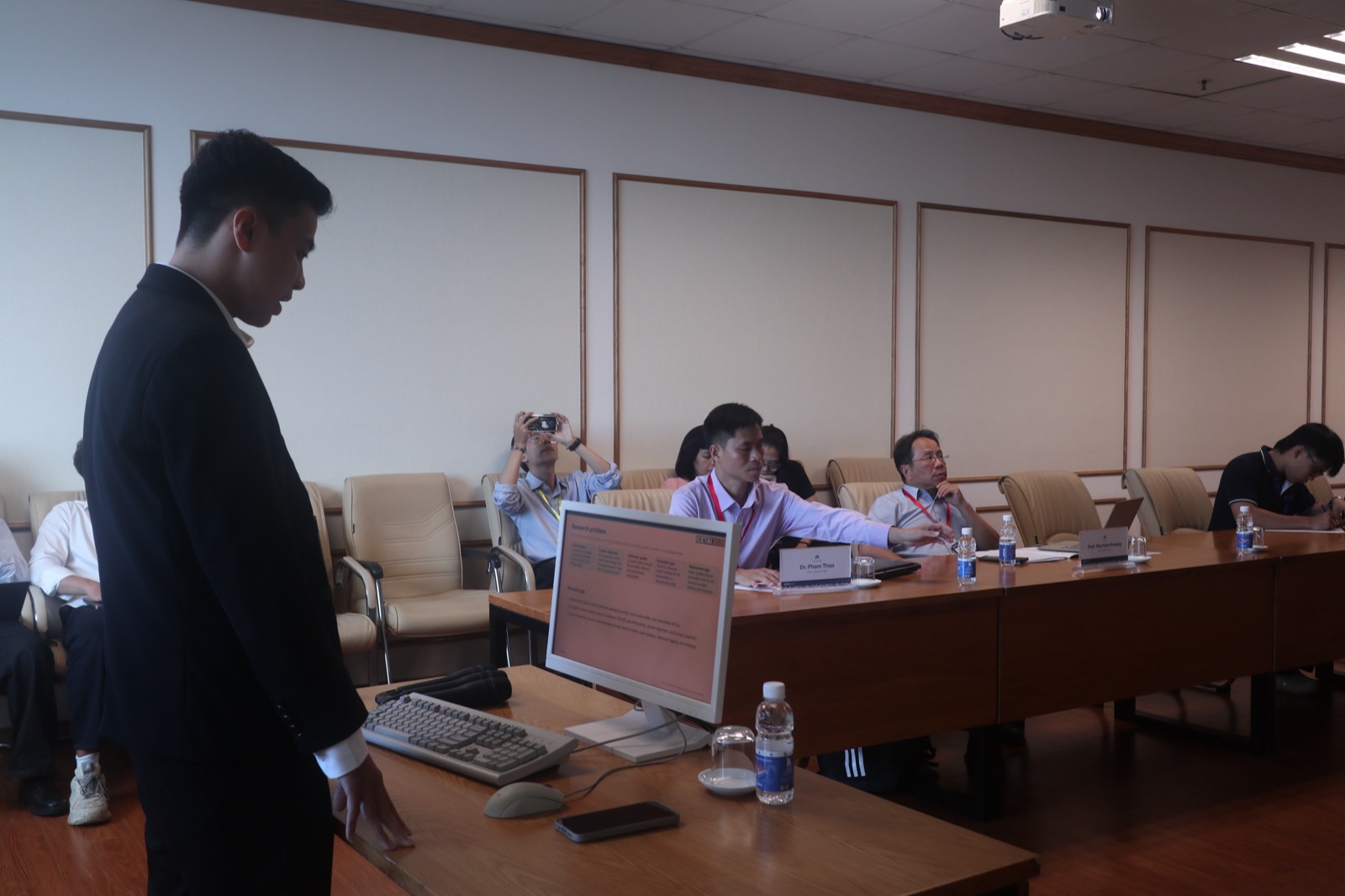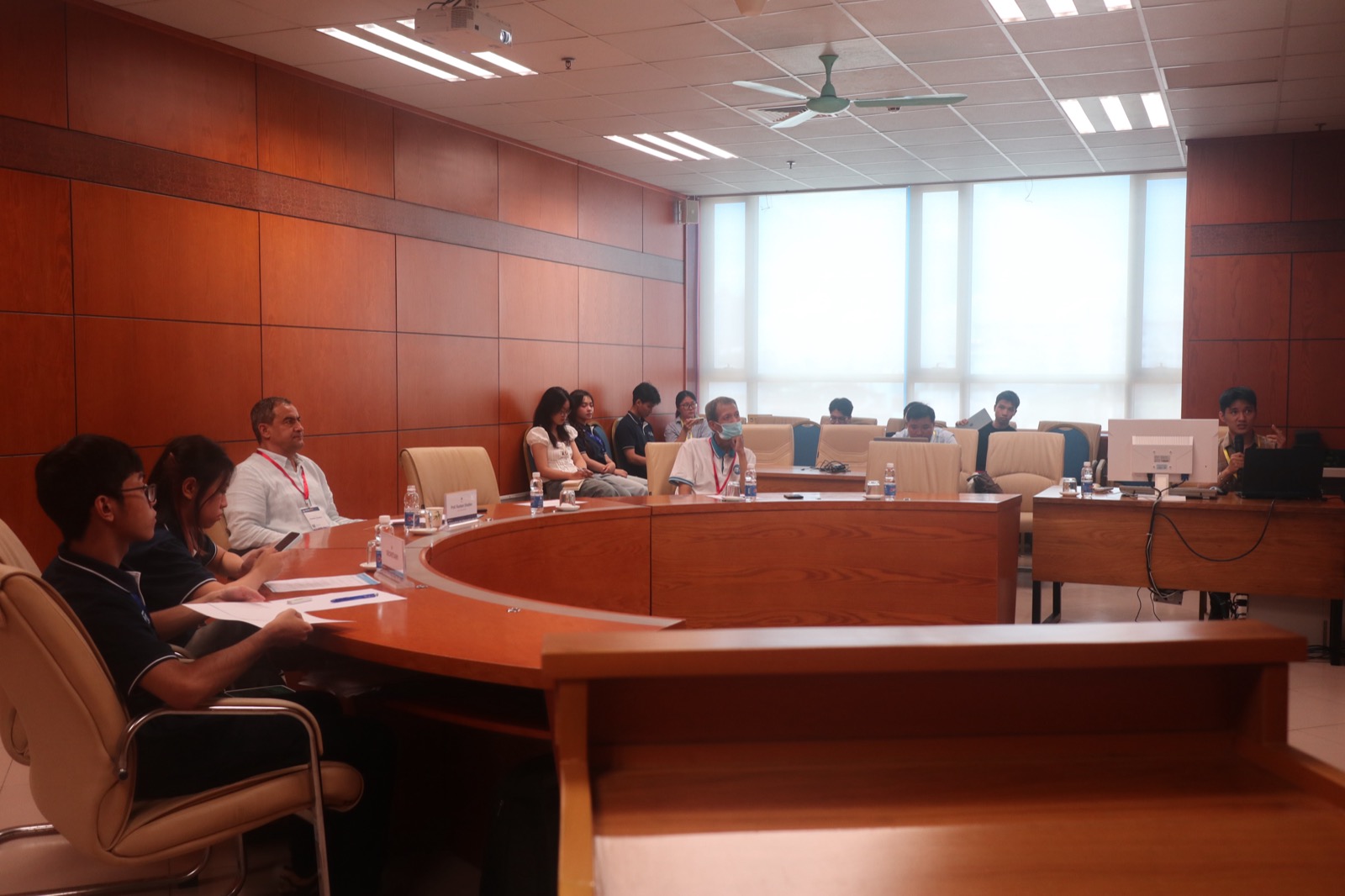
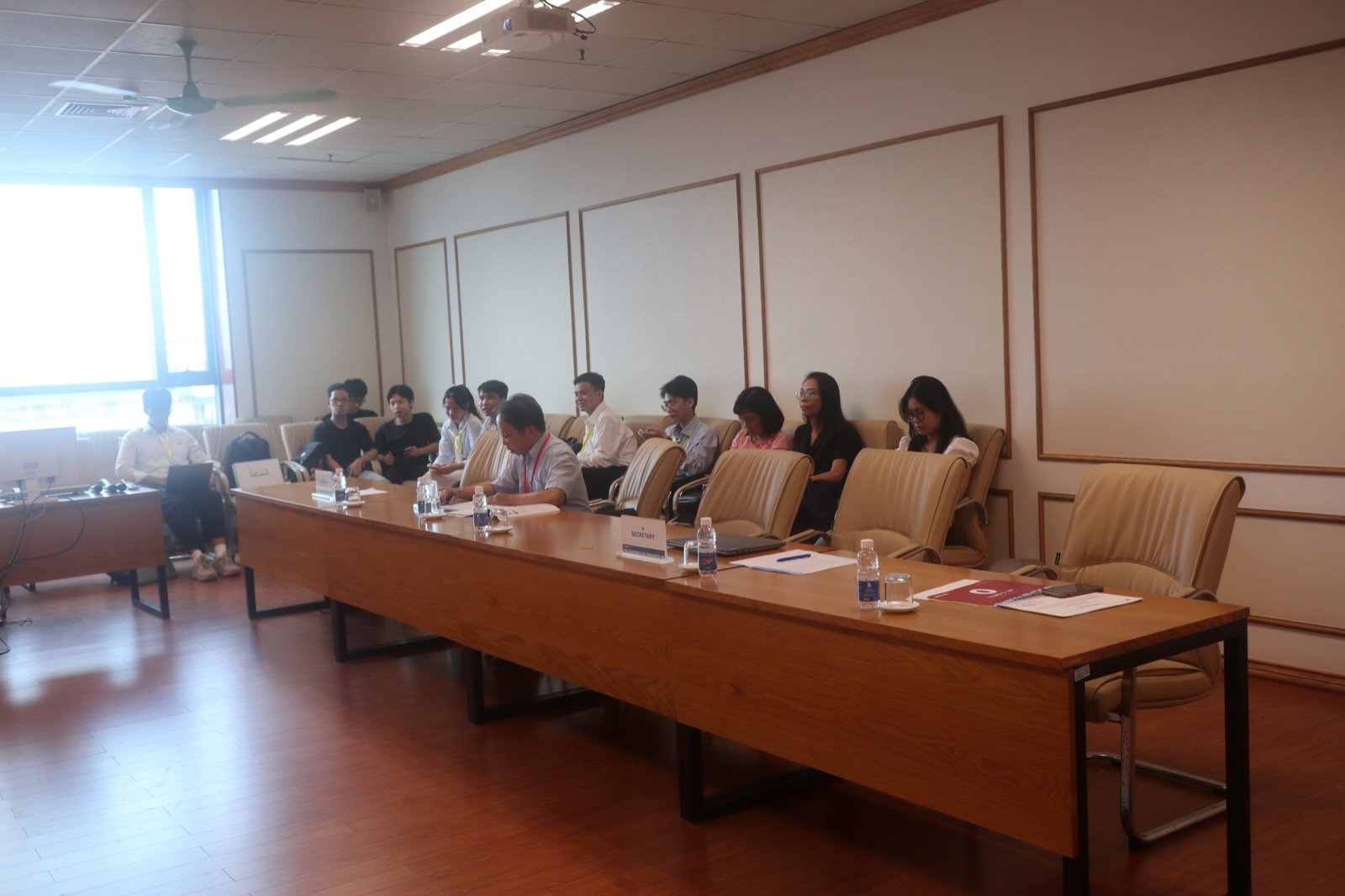
After the morning's keynotes and the exhibition and poster session, ICETAI 2026 moved to Building A2 for the afternoon's main academic program: 20 papers, selected from the 55 submissions received, presented back to back across three parallel tracks from 13:30 to 16:25, each speaker given 20 minutes plus 5 minutes for questions.
Track 1 — Generative AI and Technology-Enhanced Language Learning
A2 503Chair: Prof. Rustam Shadiev · Co-chair: Dr. Dang Minh Quan
- •Enhancing EFL Writing Based on Recognition Technologies Integrated into Contextualization and Socialization
- •Development and Evaluation of an LLM-Powered Writing Support System for IELTS Writing Task 2
- •The Effect of Multi-Role Generative AI and 360° Video-Based VR on Social Cultural Language Learning
- •AI-Enhanced EIPR-Based Short Video Learning for Cross-Cultural Learning: A Pilot Study
- •Accuracy Is Not Faithfulness: A Counterfactual Evaluation of LLM-Based IELTS Writing Assessment
- •The Impact of Generative AI on Intrinsic Learning Motivation and Perceived Learning Outcomes
- •AI Literacy and Students' Academic Performance: A Survey
Track 2 — AI-Enhanced Learning and Intelligent Educational Systems
A2 504Chair: Prof. Wu-Yuin Hwang · Co-chair: Dr. Pham Thao
- •AI-enhanced Personalized Instructional Generation In Adaptive Learning
- •A Multi-Agent and Semantic Graph Framework for Hallucination-Free Code Evaluation in Programming Education
- •A RAG–LLM-Based Framework for Automatic Multiple-Choice Question Generation
- •A review of exercise recommendation algorithms in online learning systems: A PRISMA-based analysis
- •GeoScout: An Autonomous LiDAR-Inertial UAV Platform as a Project-Based Learning Tool
- •SmartDoc: A Client-Side Paginated Web Platform for Word-to-Interactive-Textbook Conversion
- •iScholar: Support System for Writing Scientific Research Reports
Track 3 — AI Systems, RAG, Agents and Intelligent Applications
A2 505Chair: Prof. Min-Te Sun · Co-chair: MSc. Nguyen Hung Viet
- •From RPA-Based Data Pipelines to AI Agents: A Multi-Source RAG Framework for Student Information Systems
- •TriGen: A Unified RAG Pipeline for Multi-Format Learning Content Generation from Textbooks
- •Design and Evaluation of a Text-to-SQL-Based Admission Counseling Chatbot
- •Beyond Empathy as a Property: How Three AI Chatbots' Designs Shape Social-Emotional Support
- •FBC4SAO: A Framework of Building Chatbot to Advise on Extracurricular Activities
- •MBTI-Aware Admission Counselor: A Personality-Conditioned RAG System for the NEU AI Portal
Read together, the three tracks trace the shape of this year's research: Track 1 kept almost entirely to language learning, testing generative AI and immersive video against classic EFL and IELTS skills; Track 2 pushed AI deeper into the mechanics of teaching itself, from adaptive instruction to hallucination-resistant code grading; and Track 3 was the most architecturally focused of the three, built almost entirely around retrieval-augmented generation and AI agents applied to admissions, student records, and academic advising. The full schedule, including presenter names and slide links, is on the conference program page.